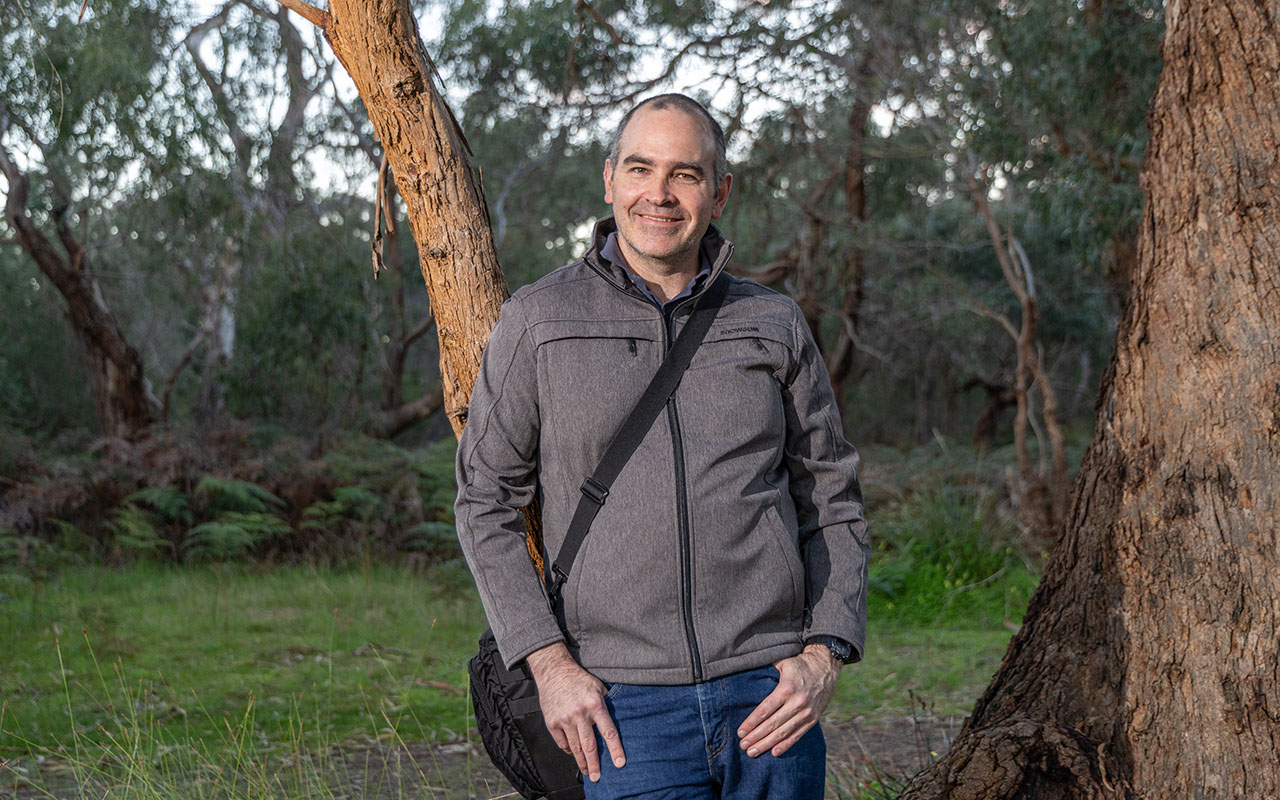
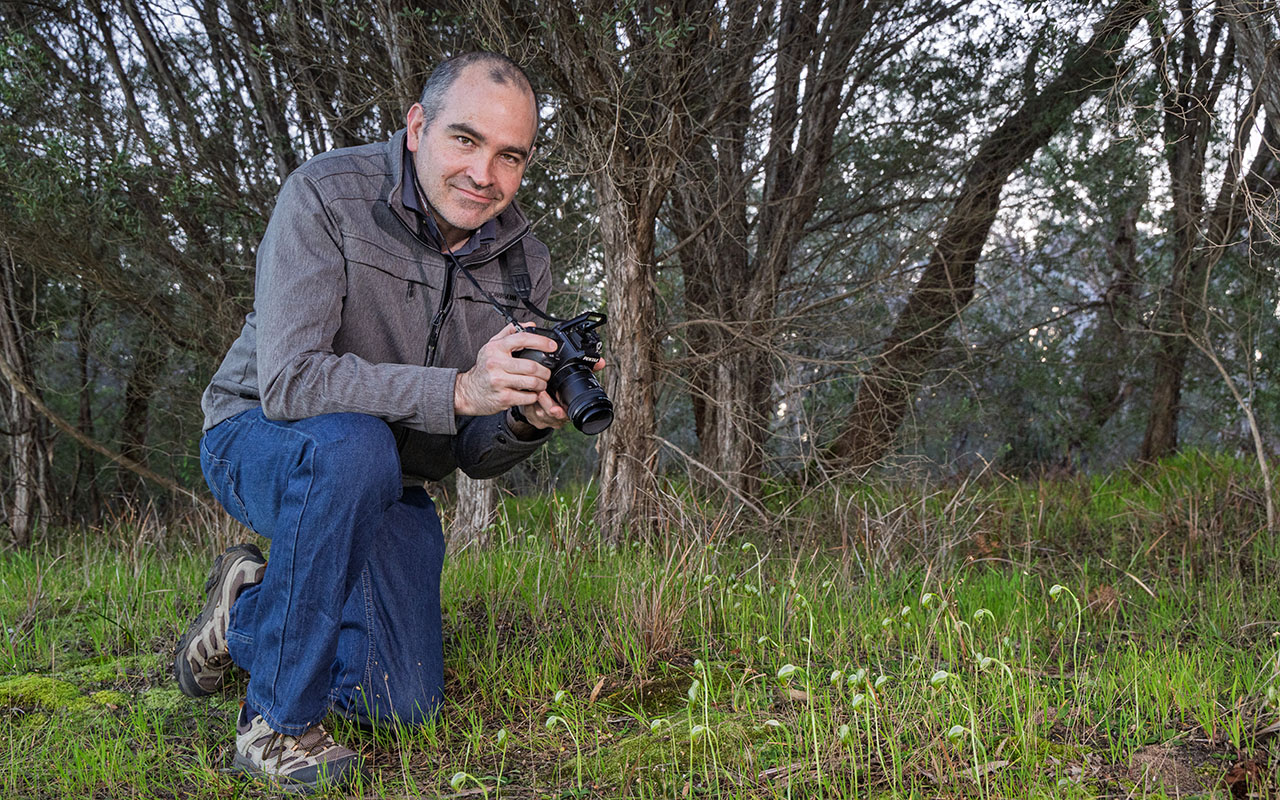
Hastings microbiologist Robert Mitchell discovered something beautiful and unexpected during his COVID lockdown rambles in nearby nature reserves. It changed the future for local native terrestrial orchids. “I was just a curious person looking for things to photograph during lockdown and found these orchids. I discovered six new species,” he says.
Tuber forming terrestrial orchids grow in cooler climates such as Victoria. They are not to be confused with epiphyte orchids which grow in trees and rocks in warm humid climate in places like Queensland. Because terrestrial orchids are fragile and hard to spot, Rob urges people to stay on marked paths to avoid trampling them. He also emphasises not handling or picking these tiny endangered species. Their survival depends on it.
“Orchids are a popular flower because of their uniqueness so we want to protect them. I’m an orchid hunter and I enjoy photographing them. I’m happy to share my photos online on the iNaturalist website because it helps to educate people. Photography, for me, is about documenting the world,” he says. By identifying species, Rob can help preserve them.
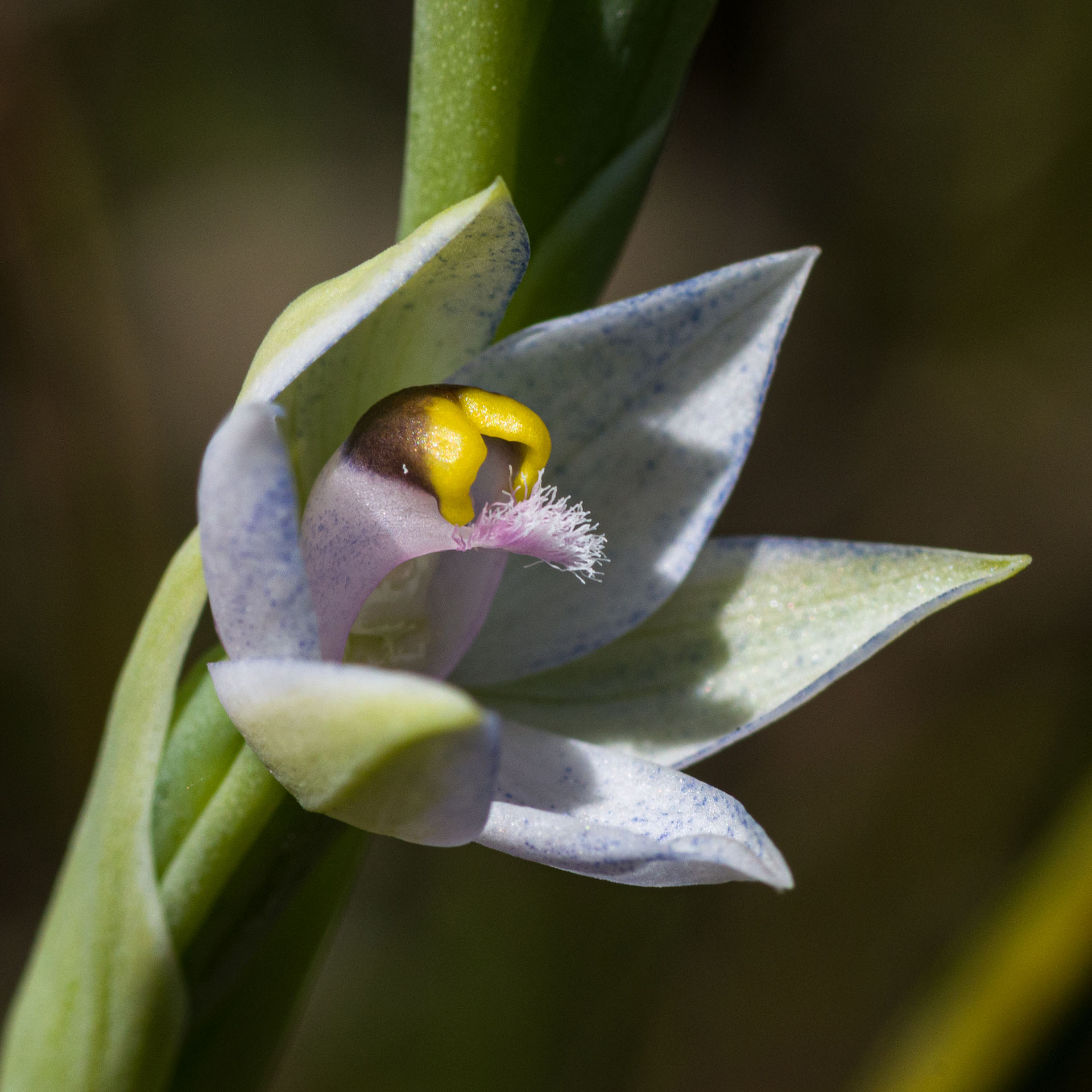
Three of the six Thelymitra (sun orchid) species Rob found were previously undiscovered. He had the honour of naming them. He named one, Thelymitra Aurorea, after his favourite Norwegian singer/songwriter/producer, AURORA, aka ‘The Fairy of Pop’. It’s an appropriate name for such a dainty, delicate flower. Its pale colouration with blue spots and pink trichomes reflects AURORA with her blue eyes and signature stripes of pink makeup.
Some of the new species were found at a reserve that hadn’t been publicly accessible for eighty years. This respite gave the native flora and fauna an opportunity to thrive undisturbed. “There was such a density of native orchids in this unexplored place. It was incredible. I had to learn a whole new botanical vocabulary to write up the papers on them,” he says. It also highlights how precious remnant habit in places like HMAS Cerberus might be.
Four hundred of the 1,800 known species of native orchids in Australia are found in Victoria. Half of these species are threatened with extinction. Citizen scientists like Rob are working to change the outlook for these fragile flowers, some of which are no bigger than a fingernail.
“The kind of orchids I’m studying thrive in remnant heathland environments and some are unique to Frankston and the Mornington Peninsula. There aren’t many of these areas left due to housing development and land loss through farming. Some of these species might only flower a few times during their 30 years lifespan, so it’s vital we protect their habitats” he says.
The kind of orchids I’m studying thrive in remnant heathland environments and some are unique to Frankston and the Mornington Peninsula
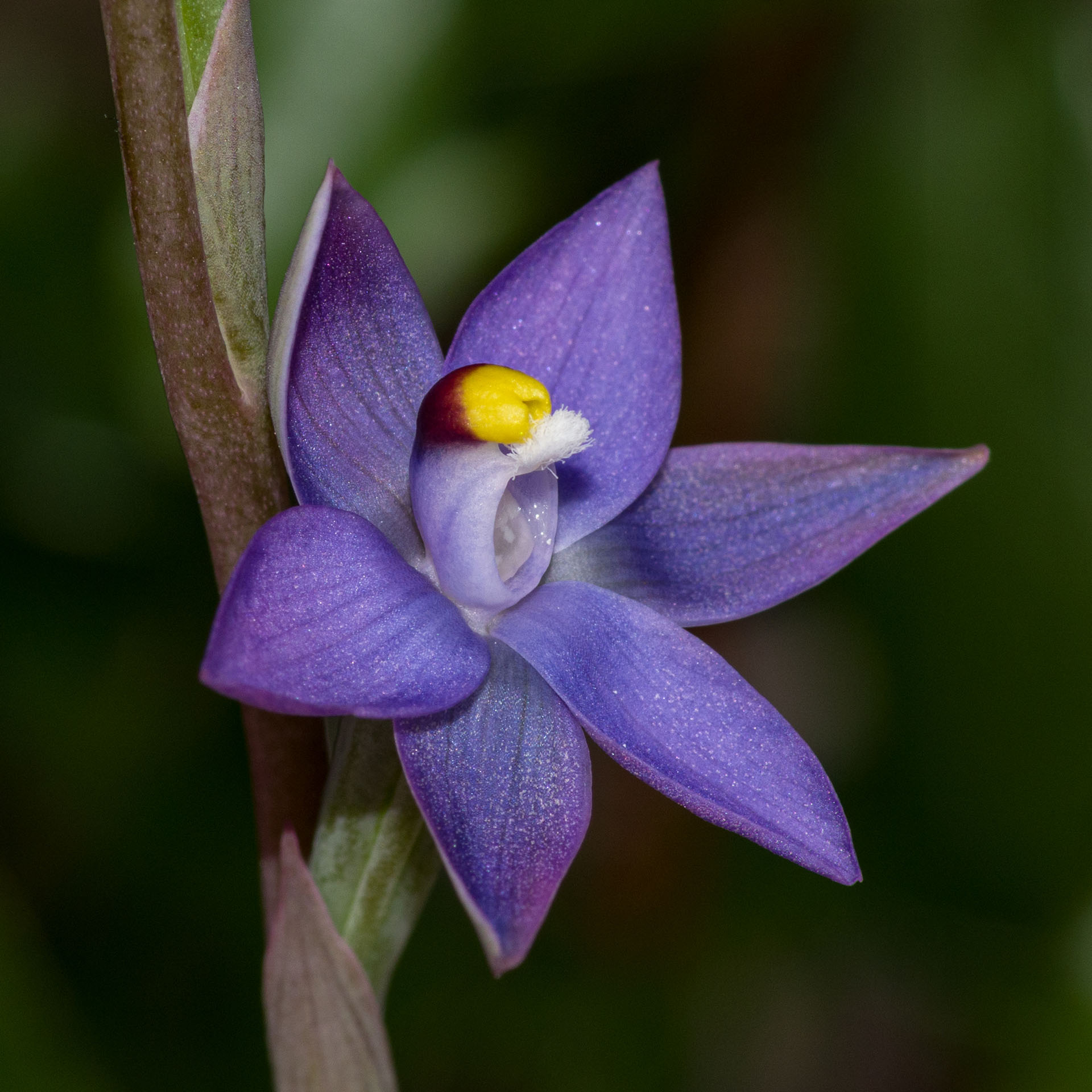
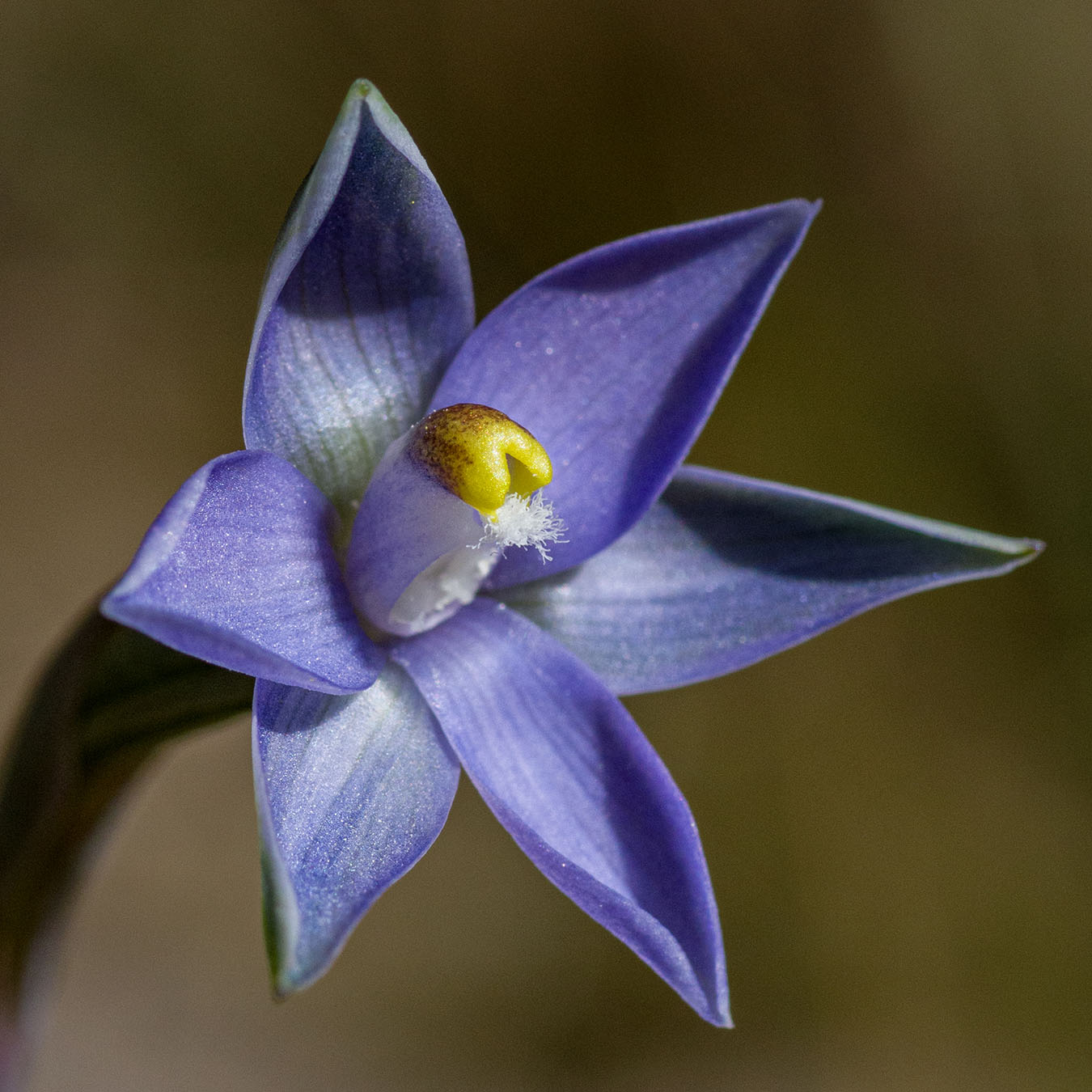
Thelymitra serpentina (serpent sun orchid) Photo: Rob MitchellThelymitra aurorae (Aurora’s sun orchid) Photo: Rob MitchellThelymitra asperifolia (Abrasive leaf sun orchid) Photo: Rob Mitchell
It seems natural that a boy from Ferntree Gully, at the edge of the Dandenong Ranges, would be a fan of the natural environment, but it was his parents who pushed him outdoors. His American mother and British father were fans of tenting and 4WD excursions. Rob remembers listening to the 1993 AFL Grand Final on a shortwave radio in the Simpson Desert.
In high school, Rob gravitated to maths and science, choosing to do accounting for his humanities units in VCE. Then, while undertaking a science degree at Monash university, he excelled in subjects such as organic chemistry and microbiology, liking their systematisation. He also loved other diverse areas like geology, physics and mathematical probability.
Rob went on to gain a Bachelor of Science with honours in Microbiology. He currently works as a beer microbiologist doing yeast propagation, chemical testing and other work as part of what he calls the ‘quality control team’ at Brick Lane Brewery. In his spare time, he is very dedicated to hunting orchids.
Orchid species on the Mornington Peninsula are especially interesting to Rob. “Outside of the larger reserves in Frankston and Langwarrin, areas beside Western Port bay host a number of critically endangered orchids found in tiny fragments of habitat. These ground dwelling orchids need a very particular fungi to thrive which can only be found in undeveloped environments,” he says.
We need to identify and help repopulate these critically endangered orchids
In addition to orchid hunting and sharing his photos online, Rob has been working with the Australasian Native Orchid Society (ANOS) and the Royal Botanic Gardens of Victoria (RBGV) sharing his discoveries. RBGV has the largest collection of endangered orchids under propagation in the world. For people who might be interested in seeing or growing these delicate orchids, ANOS runs field trips, has cultivation groups with access to a shared tuber bank, and is involved in orchid conservation efforts.
“We need to identify and help repopulate these critically endangered orchids. Coming in to peak orchid season I’ll be on the lookout for new populations and species, both in the field and on iNaturalist,” he says. Rob is certainly doing his part. Hopefully others will follow his lead by contacting ANOS or the RGBV for volunteering opportunities.