
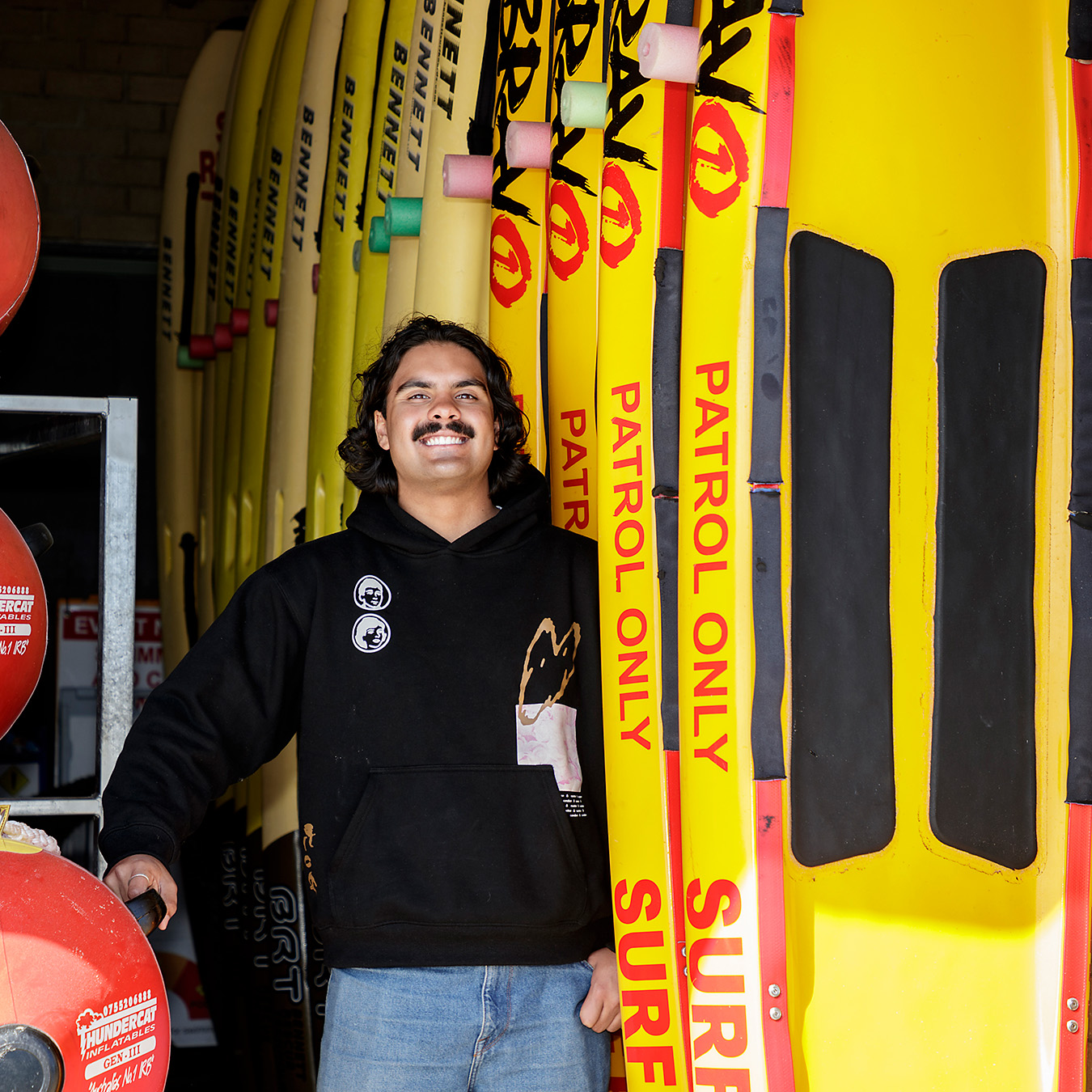
On weekends in summer you’ll normally find Reagan Morel on the sand with a gaggle of under-sixes in tow at Mornington Life Saving Club, the club he’s been a part of for more than three-quarters of his life. For the rest of the year the 22-year-old juggles studies for a teaching degree with criss-crossing the country for the Reach Foundation, where he helps young people find the words for the heavy stuff in life. Along the way he’s also helped give youth lifesavers across Victoria a voice.
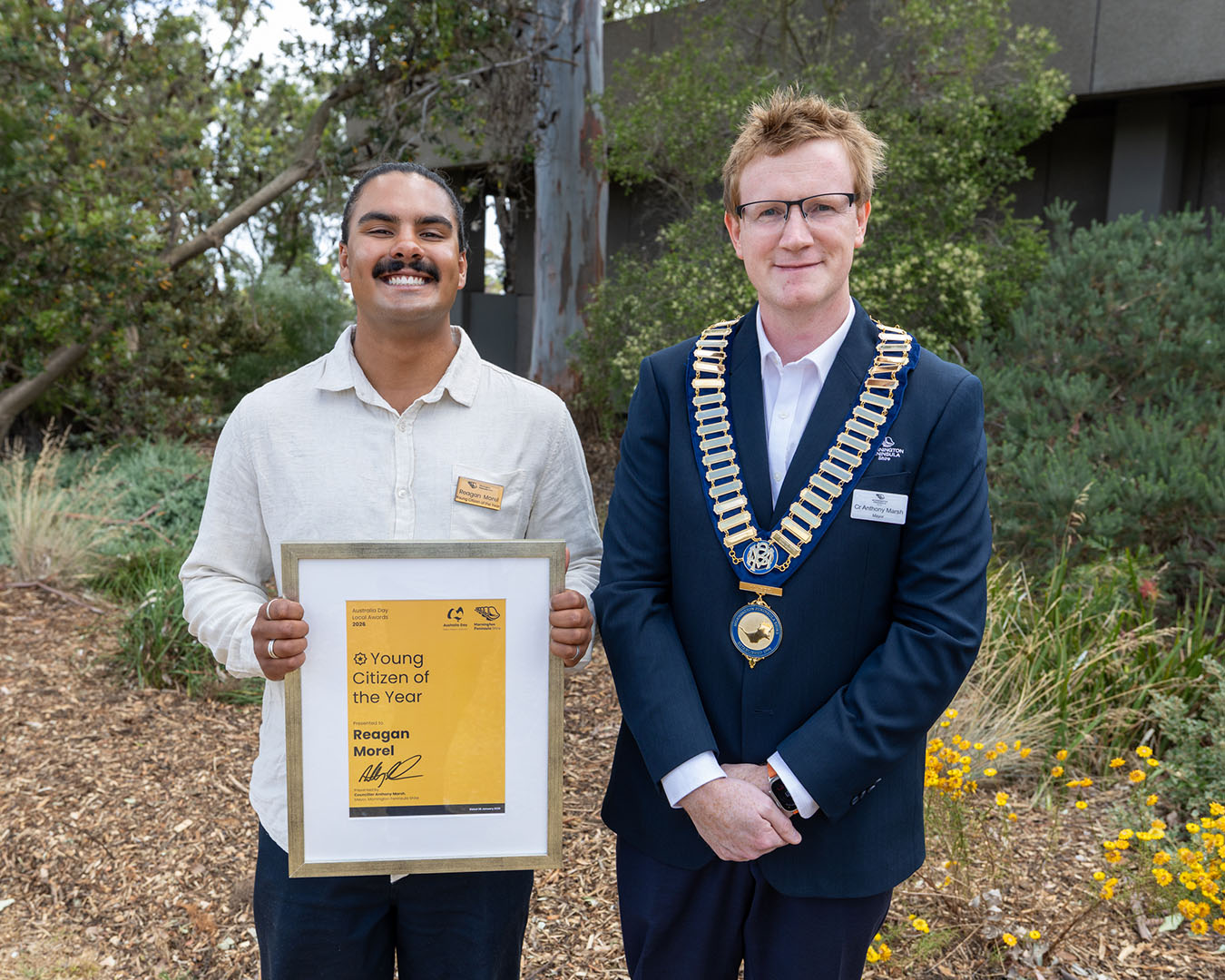
All of this has earned him the title of Mornington Peninsula Shire’s 2026 Young Citizen of the Year. It’s an honour that makes perfect sense after spending fifteen minutes on the phone with him; when you hang up you can’t help feeling better about the world. Several families at the club nominated Reagan, with the backing of its board, and the news came in a phone call after work one day.
“It was a massive shock, to be honest. I wasn’t expecting it at all,” he says. “They said, ‘Congratulations, you’ve won this award’ … and I was pretty blown away.”
Reagan’s lifesaving story began in 2009, when he was five. His parents had seen kids training on the beach and decided it looked like a great way for their son to grow up. So they signed him up for the Under-6 Nippers.
“Back then it was a lot of just playing in the water, making new friends, learning things,” he says. “As we got older it turned into competing and travelling around Australia for competitions, but also, and probably more importantly, patrolling.”
Training three nights a week, he got to know the older kids at the club well. As an only child he found that mattered.
“It wasn’t just about lifesaving,” he says. “I could ask some questions about life in general, or school, or moving into high school.”
A few years ago Reagan noticed something missing. Young members were patrolling beaches and representing their clubs, yet they had little say in how lifesaving was run. He was part of the group that started a youth advisory committee within Life Saving Victoria and became its inaugural chair.
“We saw there was a massive gap in how youth communicate their ideas and how youth are represented in lifesaving.
“We wanted to be making the decisions that affect the youth, rather than older people making them after just having a guess about what youth actually want,” he says.
The committee grew to include representatives from about 25 clubs and now runs an annual youth symposium. Several clubs have since set up their own youth committees, and Reagan says similar groups are emerging in Western Australia and Queensland.
“It’s pretty cool seeing that take off, and people starting to take young people seriously,” he says.
He’s since stepped down as chair and no longer competes, but he hasn’t gone far. For the past few years he and other young members have coached the under-sixes.
Reagan’s other great commitment began in a school classroom. When he was in Year 9 the Reach Foundation, the preventative mental health organisation co-founded by Jim Stynes, ran a workshop at his school.
“It was just unlike anything I’d experienced,” he says.
The next year he joined Reach’s Crew program which builds confidence and the skills to talk through tough topics. After Year 12 he trained as a facilitator, and now he helps train new facilitators himself.
His work takes him into classrooms from Year 4 to Year 12, running workshops on connection and respect, as well as sessions for boys on what it means to be a man today. Reach’s Grounded program has seen him work with young people who have disengaged from school, including some coming out of youth detention.
The job has taken him from the Northern Territory to Queensland and New South Wales, and he also works closer to home, running workshops through Portsea Camp’s summer programs.
“I hold a lot of pride in saying that I get to do this job where I’m making a difference,” he says. “It’s part of such a big legacy.”
It even follows him onto teaching placements where some of the teachers he meets remember a Reach workshop from their own school days.
Those placements are part of his degree at Monash University, which he somehow fits in around everything else. With one year to go and a placement at Frankston High School behind him, he has pressed pause on study to work full time at Reach before he finishes.
When asked how he manages it all he doesn’t pretend to have it sorted.
“Great question. I ask myself that sometimes as well,” he says.
The timing helps. Reach usually runs its camps during uni holidays, and the long summer break is when the beach needs him most.
“It’s all very intertwined, and keeps me pretty busy,” he says. “I definitely learn a lot from so many different things.”
“When we have good people around us and good people to look up to, we can achieve our best.”
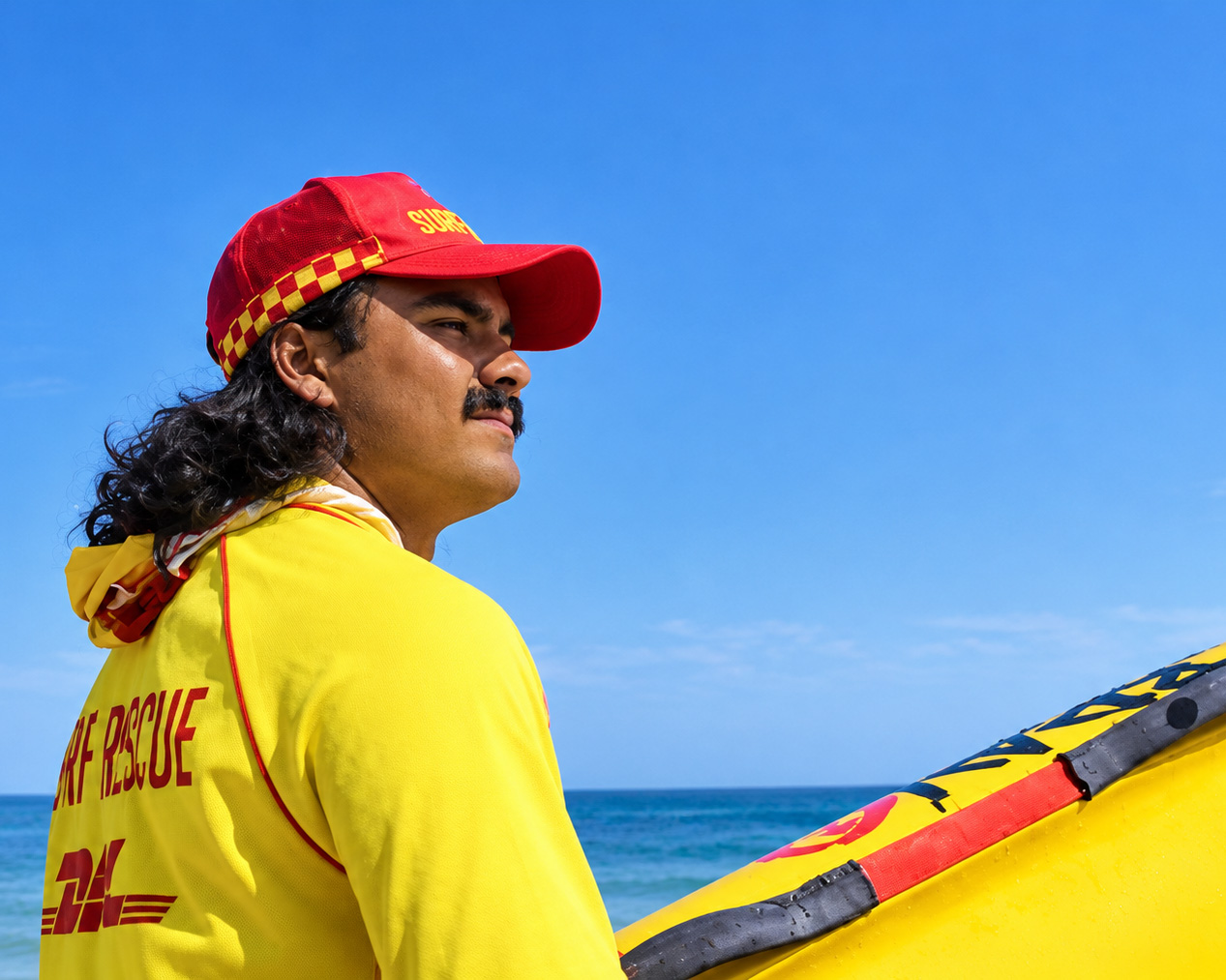
Lifesaving and Reach have both taught him how to connect with young people and even how to have conversations with parents, which he expects to lean on as a teacher.
He knows exactly the kind of teacher he wants to be.
“Through school, I had a lot of teachers who took a lot of time to understand me and the best way that I could learn,” he says.
“They’re the kind of teachers I look up to and that I really want to be like.”
The lifesaving club, he says, is the place people always come back to, and he sees himself involved for a long time yet. Reach describes its work as being by young people for young people, and he plans to keep doing it for as long as he can.
He attributes much of who he has become down to the people who surrounded him growing up.
“You’re a product of your environment,” he says. “When we have good people around us and good people to look up to, we can achieve our best.”
Each summer on the sand, and in workshops across the country, Reagan is becoming that person for more young people than he’ll ever know. With his easy laugh and genuine warmth, he’s the kind of person they’ll remember, and hopefully one day try to emulate.